What Is the Role of a Chief Operating Officer in a Hospital?
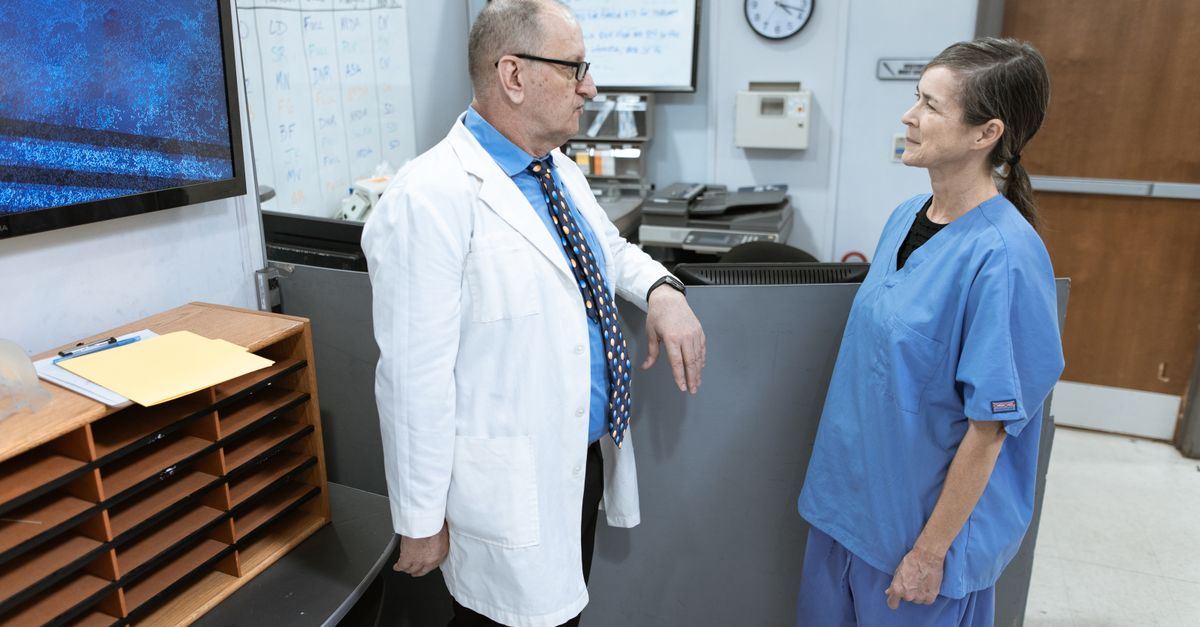
A hospital COO manages the most operationally complex type of organization that exists. A mid-size hospital operates 24/7 across 50+ departments, manages thousands of employees, processes millions in daily revenue, and does all of this where mistakes can cost lives.
The COO is the person who makes this machine run. They're the bridge between the CEO's strategic vision and the clinical floor's daily reality. According to Healthcare Executive magazine (an ACHE publication), the healthcare COO role in 2025 is "bigger, faster-moving, and more strategically critical than ever."
Core Responsibilities
Daily Operations Management
The hospital COO oversees the day-to-day functioning of the facility, which means:
- Patient flow management: Ensuring patients move efficiently from admission through treatment to discharge. A 1-hour reduction in average length of stay can recover hundreds of thousands in annual capacity.
- Staffing coordination: Managing nursing ratios, physician scheduling, and support staff across all shifts. Staffing is typically 50-60% of a hospital's operating budget.
- Facility operations: Building maintenance, equipment functionality, supply chain logistics, food services, and environmental services.
- Emergency preparedness: Maintaining readiness for mass casualty events, pandemics, and natural disasters.
Quality and Patient Safety
Hospital COOs lead or directly oversee quality improvement programs:
- Reducing hospital-acquired infections (HAIs)
- Minimizing medical errors and adverse events
- Preparing for Joint Commission surveys and CMS inspections
- Elevating patient experience scores (HCAHPS)
- Implementing evidence-based care protocols
Financial Stewardship
Hospital COOs manage the operational budget and drive financial performance:
- Budget management: Overseeing departmental budgets totaling tens to hundreds of millions
- Cost control: Identifying and eliminating operational waste without compromising care quality
- Capital planning: Evaluating major purchases (imaging equipment, surgical robots, bed fleets) based on ROI and patient demand
- Revenue cycle support: Ensuring clinical operations support accurate coding and timely billing
Strategic Execution
Working directly with the CEO and board:
- Translating strategic plans into operational action
- Evaluating service line expansion opportunities
- Managing construction and renovation projects
- Leading technology implementations (EHR upgrades, telehealth platforms)
- Overseeing mergers, acquisitions, and partnership integrations
The Hospital COO's Typical Day
| Time | Activity |
|---|---|
| 6:30 AM | Review overnight incident reports and bed availability |
| 7:00 AM | Morning huddle with nursing supervisors and department heads |
| 8:00 AM | Executive team meeting with CEO, CFO, CMO, CNO |
| 9:30 AM | Quality committee meeting (reviewing HAI rates, patient falls, medication errors) |
| 11:00 AM | Walk clinical floors (observe operations, talk to frontline staff) |
| 12:00 PM | Working lunch with service line director (planning OR expansion) |
| 1:00 PM | Budget review with department managers |
| 2:30 PM | Vendor meeting (evaluating new patient monitoring technology) |
| 4:00 PM | One-on-one with CNO about nurse staffing challenges |
| 5:00 PM | Review dashboards, address email, prepare for tomorrow |
Qualifications and Career Path
Required Qualifications
| Requirement | Details |
|---|---|
| Education | MHA (Master of Healthcare Administration), MBA, or MPH |
| Experience | 10-15+ years in progressive healthcare management |
| Certification | FACHE (Fellow of ACHE) strongly preferred |
| Knowledge | Joint Commission standards, CMS regulations, state healthcare laws |
| Skills | P&L management, physician relations, crisis management, team development |
Career Progression
The typical path to hospital COO:
- Clinical or administrative coordinator (2-3 years)
- Department manager (3-5 years)
- Director of operations or service line director (3-5 years)
- VP of Operations or Associate Administrator (3-5 years)
- COO (career-level position)
Compensation
| Hospital Size | COO Base Salary | Total Compensation |
|---|---|---|
| Community hospital (under 200 beds) | $200,000-$350,000 | $250,000-$450,000 |
| Regional medical center (200-500 beds) | $300,000-$500,000 | $400,000-$700,000 |
| Academic medical center / Large system | $400,000-$700,000 | $600,000-$1,200,000+ |
Working With Other C-Suite Executives
The hospital COO operates within a unique executive structure:
CEO (Chief Executive Officer): Sets organizational strategy, manages the board, handles external relationships. The COO translates strategy into operational reality. CMO (Chief Medical Officer): Leads the medical staff, oversees clinical quality. The COO partners with the CMO on clinical operations, staffing, and quality improvement. This relationship is critical because it bridges administrative and clinical authority. CFO (Chief Financial Officer): Manages financial planning, revenue cycle, and capital allocation. The COO works with the CFO on departmental budgets, cost reduction, and capital expenditure prioritization. CNO (Chief Nursing Officer): Oversees all nursing operations. Given that nursing is the largest labor category, the COO-CNO partnership directly affects both quality and cost. CIO (Chief Information Officer): Leads technology strategy. The COO drives EHR adoption, telehealth expansion, and operational technology decisions.2025 Trends Reshaping the Hospital COO Role
Expanded Scope
According to Accretive Edge, many hospital COOs now oversee ambulatory networks, post-acute care, home health programs, and even payer-provider joint ventures. The role has expanded well beyond the four walls of the hospital.
Technology and AI Integration
Digital fluency has become essential. COOs are expected to:
- Champion AI adoption for scheduling, diagnostics, and operational efficiency
- Lead EHR optimization projects
- Drive telehealth infrastructure expansion
- Evaluate and implement predictive analytics for patient flow
Workforce Crisis Management
Healthcare faces severe staffing shortages. The COO must:
- Develop creative recruitment and retention strategies
- Manage travel nurse costs (which can be 3-4x permanent staff costs)
- Build pipeline programs with nursing schools and allied health programs
- Implement technology that reduces administrative burden on clinical staff
Value-Based Care Transition
As reimbursement shifts from fee-for-service to value-based models, COOs must redesign operations around outcomes rather than volume:
- Population health management infrastructure
- Care coordination across settings
- Cost reduction without quality compromise
- Data analytics for clinical and operational decision-making
Professional Development Resources
- American College of Healthcare Executives (ACHE): Premier professional association, offers FACHE certification
- Healthcare Financial Management Association (HFMA): Financial management education and certification
- National Association of Community Health Centers (NACHC): COO competency toolkit and development resources
FAQs
- What's the difference between a hospital COO and a hospital CEO? The CEO focuses on strategic vision, board relations, community engagement, and external partnerships. The COO focuses on internal operations, making sure the hospital runs efficiently and delivers quality care. The CEO decides direction; the COO makes it happen.
- Do all hospitals have a COO? Most hospitals with 100+ beds have a COO or equivalent (VP of Operations, Associate Administrator). Smaller critical access hospitals may combine COO and CEO functions into a single role.
- Can a clinician become a hospital COO? Yes, and it's becoming more common. Physicians, nurses, and other clinicians who pursue MHA or MBA degrees and transition into administrative roles bring valuable clinical perspective to the COO chair. ACHE reports growing interest in clinician-to-executive pathways.
- What's the path from hospital COO to CEO? Hospital COO is the most common feeder role for hospital CEO positions. The transition requires developing external stakeholder management skills (board relations, community engagement, fundraising) and strategic vision-setting capability.
- How is AI changing the hospital COO role? AI is shifting the COO's focus from managing processes to managing systems that manage processes. Predictive staffing, automated patient flow optimization, clinical decision support, and supply chain forecasting are all areas where AI reduces manual COO oversight while increasing decision quality.
Related Articles
Who Is a Chief Operating Officer? Role, Salary & Career Guide
The COO is the second-highest-ranking executive in most organizations, earning $200K-$1M+. Here's exactly what the role involves, who fills it, and how to get there.
Who Is Higher: A CFO or COO?
The COO typically outranks the CFO as second-in-command, but 57% of companies eventually dissolve the COO role. Here's how the hierarchy actually works.
Chief Operating Officer Or Chief Operations Officer
The Chief Operating Officer COO manages an organization's daily operations, ensuring efficiency, productivity, and alignment with business goals.