Retail Operations: Transforming Stores with Fractional COO Expertise
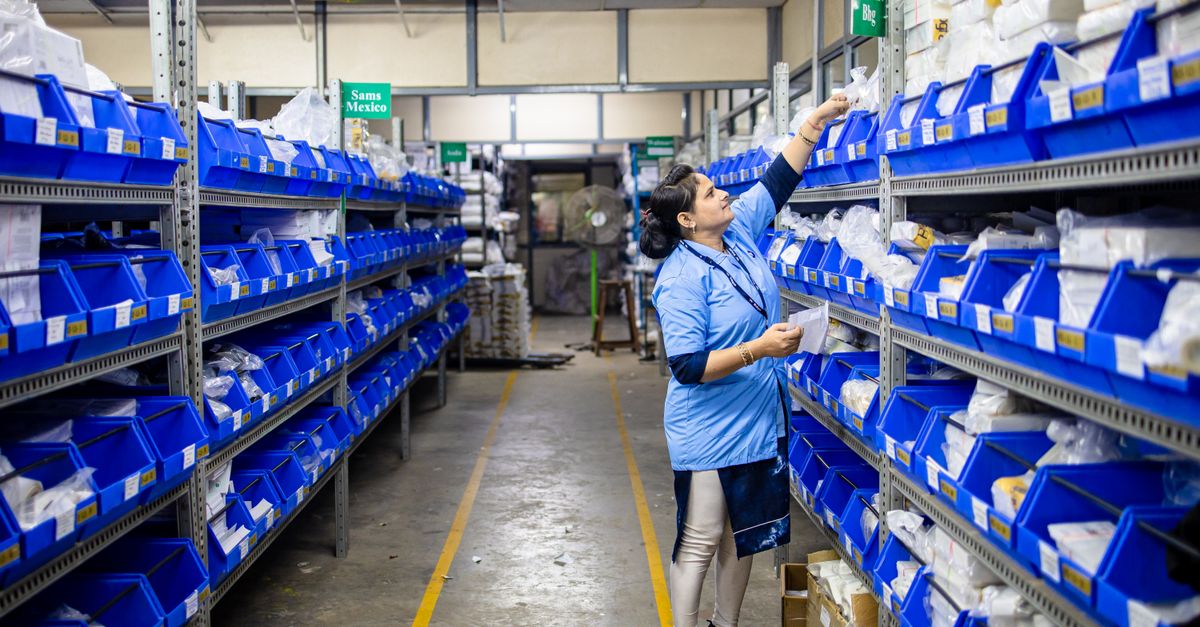
A mid-size retailer with 12 locations was bleeding $40,000 per month in inventory shrinkage. They couldn't justify a $300,000 COO hire, but they couldn't afford to keep losing money either. A fractional COO came in two days a week, implemented cycle counting protocols and loss prevention technology, and cut shrinkage by 62% in four months.
That's the fractional COO value proposition for retail: enterprise-grade operational expertise applied to your specific problems, at a fraction of the cost.
The retail digital transformation market is projected to reach $487 billion by 2030, growing at 11.26% CAGR, according to Mordor Intelligence. Retailers who don't modernize operations will be outcompeted by those who do. A fractional COO bridges the gap between knowing you need to transform and actually executing it.
Where Fractional COOs Drive Retail Transformation
Inventory Management
Inventory is where most retail operational value hides. A fractional COO typically targets:
- Demand forecasting: Replacing gut-feel ordering with data-driven replenishment
- Cycle counting: Moving from annual physical counts to rolling accuracy checks
- SKU rationalization: Cutting the 20% of products that generate 2% of revenue
- Vendor consolidation: Reducing supplier count to improve terms and simplify logistics
Store Operations
- Staff scheduling optimization (labor cost is typically 10-15% of revenue)
- Customer flow analysis and floor layout improvement
- Standard operating procedures for opening, closing, and shift changes
- Loss prevention systems and protocols
Technology Integration
The National Retail Federation's 2025 outlook highlights that 70% of retailers have automated their data capture processes. If you're still running manual processes, you're operating at a structural disadvantage.
Key technology priorities a fractional COO evaluates:
| Technology | Impact | Typical ROI Timeline |
|---|---|---|
| Modern POS system | Transaction speed, data capture | 3-6 months |
| Inventory management software | Stock accuracy, reduced carrying costs | 2-4 months |
| Workforce management tools | Labor cost optimization | 1-3 months |
| CRM/loyalty platform | Customer retention, basket size | 6-12 months |
| Business intelligence dashboards | Decision quality, speed | Ongoing |
The Retail Transformation Roadmap
Phase 1: Assessment (Weeks 1-4)
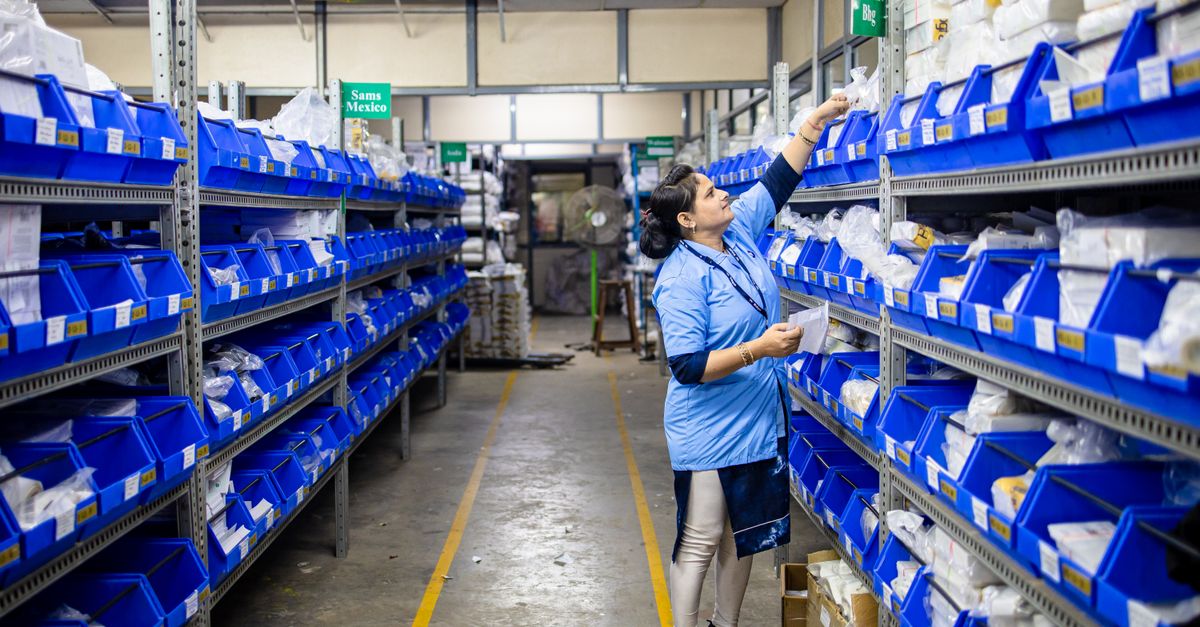
Your fractional COO spends the first month understanding your operation before changing anything.
Data collection:- Sales data by location, category, day, and hour
- Labor costs as percentage of revenue by location
- Inventory turn rates and shrinkage percentages
- Customer acquisition cost and lifetime value
- Vendor terms and payment schedules
- Shadow shifts at multiple locations
- Interview store managers and frontline staff
- Mystery shop your own stores and competitors
- Map every process from receiving to checkout
Phase 2: Prioritization (Weeks 5-6)
Not everything gets fixed at once. A skilled fractional COO creates an impact-effort matrix:
- Quick wins (high impact, low effort): Staff scheduling changes, vendor renegotiation, SOP documentation
- Strategic projects (high impact, high effort): POS migration, inventory system implementation, omnichannel integration
- Maintenance items (low impact, low effort): Signage updates, minor layout changes
- Deprioritize (low impact, high effort): Full store renovations, custom software builds
Phase 3: Implementation (Months 2-6)
Execute in 30-day sprints with measurable targets:
- Sprint 1: Quick wins and SOP deployment
- Sprint 2: Technology evaluation and vendor selection
- Sprint 3: Pilot technology rollout at 1-2 locations
- Sprint 4-5: Full rollout with training
- Sprint 6: Optimization and sustainability planning
Retail KPI Dashboard
Track these metrics weekly to measure transformation progress:
Revenue metrics:- Sales per square foot (target: industry-specific, but track trajectory)
- Average transaction value
- Conversion rate (foot traffic to purchase)
- Units per transaction
- Inventory turn rate
- Shrinkage percentage (target: below 1.5%)
- Labor cost as % of revenue (target: 10-14%)
- On-shelf availability (target: 95%+)
- Net Promoter Score
- Repeat purchase rate
- Customer complaints per 1,000 transactions
Cost Structure for Retail Fractional COOs
| Engagement Level | Monthly Cost | Hours/Week | Best For |
|---|---|---|---|
| Assessment only | $5,000-$8,000 | 8-10 | Operational audit with recommendations |
| Active transformation | $8,000-$15,000 | 15-20 | Hands-on implementation and change management |
| Ongoing optimization | $3,000-$6,000 | 5-8 | Post-transformation maintenance and advisory |
Overcoming Retail-Specific Challenges
Staff resistance: Retail teams have seen "consultants" come and go. Your fractional COO must earn credibility by working alongside staff, not dictating from an office. The first quick win should visibly make frontline employees' jobs easier. Seasonal complexity: Retail operations can't be transformed during peak season. Time your engagement to start 3-4 months before your busiest period so new systems are running smoothly when volume spikes. Multi-location consistency: The hardest part of multi-store retail isn't creating good processes. It's getting all locations to follow them consistently. Build compliance monitoring into every new SOP. Technology fatigue: Staff who've been through three POS changes in five years will resist the fourth. A fractional COO focuses on adoption, not just implementation. Training investment should equal or exceed software investment.What to Look for in a Retail Fractional COO
Not every fractional COO understands retail. Look for:
- Direct experience managing retail operations (not just consulting to them)
- Track record with your specific retail segment (specialty, grocery, apparel, etc.)
- Hands-on technology implementation experience, not just vendor selection
- Comfort with frontline workers, not just boardroom presentations
- References from retailers of similar size and complexity
Omnichannel Operations: The 2025 Retail Imperative
The NRF's 2025 retail outlook highlights that two-thirds of retail executives plan to invest heavily in workforce readiness and technology integration. For physical retailers, this means omnichannel is no longer optional.
A fractional COO helps brick-and-mortar retailers build omnichannel capabilities without the $500K+ technology consulting engagement:
Buy online, pick up in store (BOPIS): Requires inventory accuracy above 95%, staff training for order fulfillment, and dedicated pickup staging areas. A fractional COO can implement this in 60-90 days. Unified inventory view: Connecting in-store and online inventory into a single system so customers see real availability. This is a technology project (connecting POS to e-commerce) that requires operational oversight to execute correctly. Returns anywhere: Allowing online purchases to be returned in-store (and vice versa). Requires updated SOPs, staff training, and system integration between e-commerce and POS platforms. Customer data unification: Connecting in-store purchase history with online browsing and buying behavior. This powers personalization and targeted marketing that drives repeat purchases.Each of these capabilities requires operational infrastructure that most mid-size retailers lack. A fractional COO brings the implementation expertise to build it systematically rather than through trial and error.
FAQs
- How quickly can a fractional COO impact retail operations? Quick wins typically appear within 30-60 days (scheduling optimization, vendor renegotiation). Significant operational transformation takes 3-6 months. Technology implementations may take 4-8 months for full rollout and adoption.
- Is a fractional COO worth it for a single-location retailer? Possibly, but at a reduced scope. Single-location retailers with $1-5M revenue may benefit more from a fractional COO at the advisory tier (4-6 hours/week) focused on specific problems like inventory management or hiring processes.
- How does a fractional COO work with existing store managers? The COO works through and with store managers, not around them. The goal is to elevate their capabilities, give them better tools and processes, and establish clear accountability. Store managers should feel supported, not replaced.
- What's the biggest operational mistake retailers make? Under-investing in inventory management systems. Most retailers lose 2-5% of revenue to shrinkage, overstocking, and stockouts. Fixing this single area often pays for the entire fractional COO engagement.
- Should I hire a retail consultant or a fractional COO? A consultant delivers recommendations. A fractional COO implements them, manages the change process, and stays accountable for results. If you need someone to tell you what to fix, hire a consultant. If you need someone to fix it, hire a fractional COO.
Related Articles
Scaling Tech Startups with Fractional COO Leadership
SaaS companies and marketplace startups benefit most from fractional COO leadership. Here's how to scale operations from product-market fit to Series B without a full-time hire.
Supply Chain Optimization Through Fractional COO Leadership
65% of executives rank supply chain costs as their top optimization lever. A fractional COO with supply chain expertise can deliver 10-30% operational cost reduction without the $400K commitment of a full-time VP of Supply Chain.
Financial Services: Fractional COO Best Practices
A Fractional COO works as a part-time executive leader, bringing strategic operations expertise to businesses that need high-level guidance without the full-time commitment.