Fractional COO in Manufacturing: How Part-Time Leadership Drives Production Results
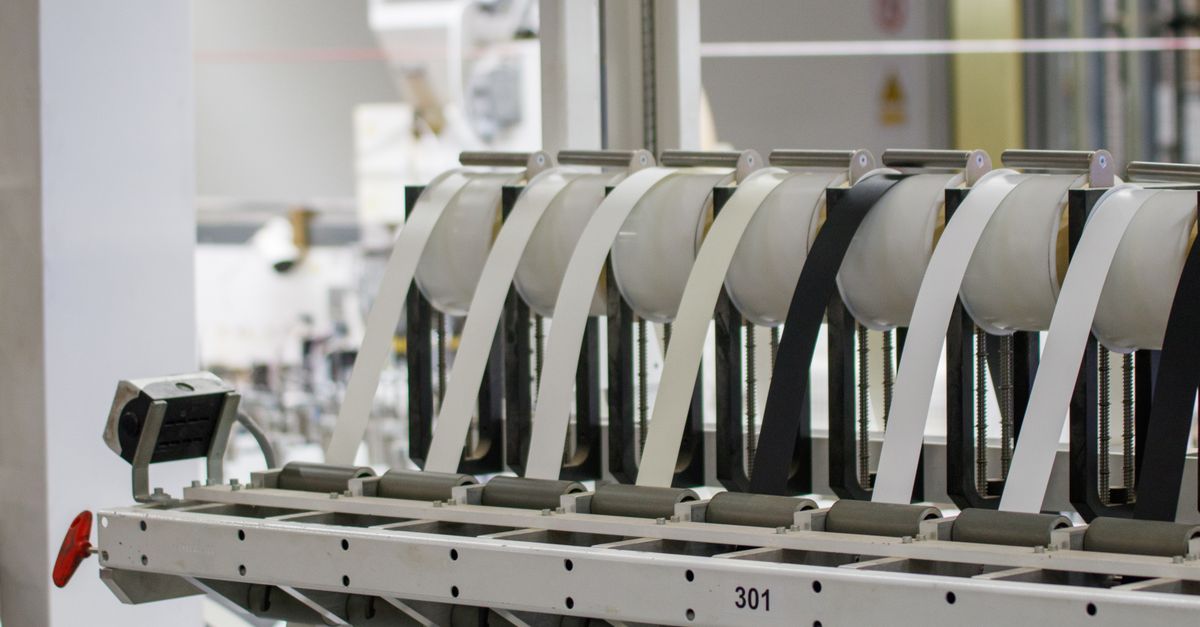
The average discrete manufacturer operates at 60% Overall Equipment Effectiveness (OEE). World-class performance is 85%. That 25-point gap represents hundreds of thousands — often millions — in unrealized production capacity sitting idle on your factory floor.
Most small-to-midsize manufacturers (SMMs) between $3M and $50M in revenue know they have operational problems. Unplanned downtime accounts for 34.2% of efficiency losses. Setup and changeover time eats another 28.7%. Material shortages contribute 18.4%. But they can't justify a $350,000-$500,000+ full-time COO to fix them, and the plant manager they promoted to run operations three years ago doesn't have the strategic toolkit to drive systematic improvement.
A fractional COO with manufacturing experience bridges this gap. They bring lean methodology, Six Sigma discipline, and cross-industry operational playbooks — deployed 2-4 days per week at $8,000-$20,000/month. For manufacturers in the $5M-$30M range, this is the most cost-effective path to operational transformation.
The Manufacturing Operations Gap
Manufacturing companies have a unique operational challenge that makes the fractional COO model especially powerful: the gap between what the production team knows is wrong and what they have the authority, frameworks, or bandwidth to fix.
Your plant supervisor can tell you which machine breaks down every Thursday. Your quality manager knows the defect rate is climbing. Your shipping lead knows that carrier X has been late on 30% of deliveries this quarter. But nobody connects these observations into a systemic improvement plan because everyone is consumed by the daily demands of keeping production running.
A fractional COO operates above the daily chaos. They see patterns across departments, connect production metrics to financial outcomes, and implement improvement frameworks that the operations team can sustain after the engagement ends.
What a Manufacturing-Focused Fractional COO Actually Does
Phase 1: The Production Audit (Weeks 1-3)
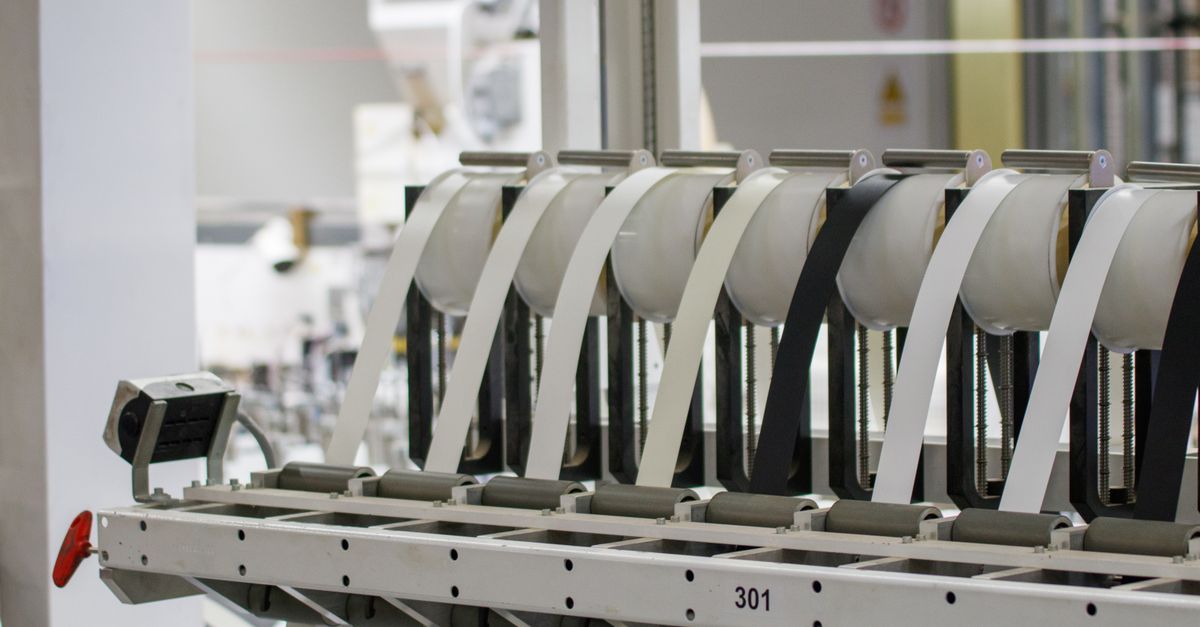
The first move is always a comprehensive assessment of the operation — not from a conference room, but from the production floor.
What they assess:- OEE by machine and production line — Availability x Performance x Quality, broken down to identify where losses concentrate
- Value stream mapping — Tracing the flow of materials and information from raw input to shipped product, identifying every point of waste
- Inventory analysis — Raw materials, WIP, and finished goods turns. Excess inventory is a symptom of poor planning; stockouts are a symptom of poor forecasting
- Quality system review — Defect rates by product, process, and shift. Root cause analysis capability. Corrective action procedures and their completion rates
- Workforce analysis — Skills matrix, cross-training coverage, overtime patterns, turnover rates by department
- Equipment maintenance records — Planned vs. unplanned downtime ratio, maintenance backlog, critical spare parts inventory
Phase 2: The Improvement Roadmap (Weeks 3-4)
After the audit, the fractional COO delivers a prioritized improvement plan. A typical manufacturing improvement roadmap includes:
| Priority | Initiative | Expected Impact | Timeline |
|---|---|---|---|
| 1 | Implement daily production meetings with KPI scorecards | 5-10% OEE improvement through visibility | 2 weeks |
| 2 | 5S deployment on top 3 bottleneck workstations | 15-25% reduction in changeover time | 4-6 weeks |
| 3 | Preventive maintenance program for top 5 failure modes | 30-50% reduction in unplanned downtime | 6-8 weeks |
| 4 | Vendor scorecard and dual-sourcing for critical materials | 20-40% reduction in material shortages | 8-12 weeks |
| 5 | Cross-training program to eliminate single-point-of-failure roles | Staffing flexibility, reduced overtime | 12-16 weeks |
| 6 | Quality system upgrade (SPC implementation, poka-yoke) | 30-50% defect reduction | 12-20 weeks |
Phase 3: Implementation and Sustainment (Months 2-6+)
This is where fractional COOs differ from consultants. They don't hand off the roadmap and leave — they drive the implementation, train the team, and build the systems that sustain improvements after they step away.
Key activities during implementation:- Leading daily production meetings until the team can run them independently
- Coaching supervisors on root cause analysis and corrective action processes
- Overseeing equipment modifications and maintenance schedule changes
- Managing vendor negotiations and supplier transitions
- Building the KPI dashboards that make performance visible
- Training internal champions to own each improvement initiative long-term
OEE: The Metric That Matters Most
OEE is the single most important metric for a manufacturing fractional COO to track. Here's what the industry benchmarks actually show, per Godlan and Evocon research:
| Industry Vertical | Average OEE | World-Class Target |
|---|---|---|
| Medical Devices | 78.2% | 90%+ |
| Automotive Parts | 72.1% | 85%+ |
| Food & Beverage | 70-80% | 85%+ |
| General Discrete Manufacturing | 66.8% | 85% |
| Custom Fabrication | 55-65% | 75%+ |
| Trailers & RVs | 57.2% | 75%+ |
If your plant generates $10M in annual revenue at 60% OEE, moving to 75% OEE represents a 25% increase in effective capacity — without adding a single machine, square foot, or shift. At typical manufacturing margins, that translates to $500K-$1.5M in additional annual production capacity. Against a fractional COO cost of $120K-$240K/year, the ROI is 3-6x.
How to calculate your OEE gap cost:
- Annual revenue: $______
- Current OEE: ______%
- Target OEE: ______% (use 75% as a realistic 12-month target)
- Capacity gap: (Target - Current) / Current = ______%
- Revenue opportunity: Annual Revenue x Capacity Gap = $______
Lean Manufacturing: What a Fractional COO Actually Implements
"Lean" has become a buzzword that means everything and nothing. Here's what experienced manufacturing fractional COOs actually deploy — and what they skip.
Always implement (high impact, fast adoption):
- Daily production huddles — 15-minute standup meetings with the production team reviewing yesterday's numbers, today's priorities, and current blockers. This alone often improves OEE by 5-10% through sheer visibility.
- 5S on bottleneck stations — Sort, Set in Order, Shine, Standardize, Sustain. Focused on the 3-5 workstations that constrain throughput. Reduces changeover time by 15-25%.
- Visual management boards — Real-time production status visible on the floor. Target vs. actual for the shift. Andon-style signaling for quality issues.
- Standard work documentation — Written procedures for critical operations with cycle time standards. Not bureaucratic manuals — simple, visual, one-page work instructions.
Implement when ready (high impact, requires cultural shift):
- TPM (Total Productive Maintenance) — Shifting from reactive to preventive maintenance. Requires operator involvement in basic maintenance tasks. Takes 3-6 months to embed.
- Kanban / pull systems — Replacing push-based scheduling with demand-driven production. Works well for repetitive manufacturing; challenging for high-mix, low-volume shops.
- SMED (Single-Minute Exchange of Die) — Reducing changeover times through systematic analysis of setup activities. High impact in operations with frequent product changes.
Skip or defer (low ROI for SMMs):
- Full Six Sigma deployment — DMAIC projects with Black Belt certification are expensive and slow for companies under $30M. Focus on practical problem-solving tools (5 Why, fishbone diagrams, Pareto analysis) without the certification overhead.
- Theory of Constraints (full implementation) — Useful as a thinking tool for bottleneck identification, but the full Drum-Buffer-Rope methodology is overkill for most SMMs.
- Industry 4.0 transformation — IoT sensors, AI-driven predictive maintenance, and digital twins are powerful but premature for companies that don't have basic preventive maintenance in place. Walk before you run.
The Technology Stack for Manufacturing Operations
Fractional COOs in manufacturing need different tools than their SaaS counterparts. Here's the stack experienced practitioners deploy:
ERP / MRP systems:- NetSuite — Best for manufacturers in the $10M-$100M range, especially those with complex BOMs and multi-location operations
- SAP Business One — Strong in discrete manufacturing with tight financial controls
- Fishbowl — Budget-friendly option for QuickBooks users who need inventory and manufacturing management
- Katana — Modern, cloud-based MRP for smaller manufacturers ($2M-$15M)
- MachineMetrics — Real-time OEE monitoring directly from CNC machines and equipment
- Vorne XL — OEE display boards for manual and semi-automated production lines
- Prodsmart — Mobile-first shop floor tracking for small manufacturers
- 1Factory — SPC (Statistical Process Control) with real-time quality monitoring
- InfinityQS — Enterprise quality platform, strong in regulated industries
- Qualio — QMS for manufacturers pursuing ISO 9001 or ISO 13485 certification
- Fiix — CMMS (Computerized Maintenance Management System) with AI-powered predictive capabilities
- UpKeep — Mobile-first maintenance platform, good for smaller operations
Cost Savings Benchmarks
Here's what experienced fractional COOs typically achieve in manufacturing operations during the first 12 months:
| Improvement Area | Typical Savings Range | How It's Achieved |
|---|---|---|
| Material waste reduction | 10-20% | Yield improvement, defect reduction, scrap tracking |
| Labor efficiency | 15-25% | Standard work, cross-training, overtime reduction |
| Unplanned downtime | 30-50% | Preventive maintenance, operator care, spare parts management |
| Energy consumption | 5-15% | Equipment scheduling, air leak identification, lighting upgrades |
| Inventory carrying costs | 15-30% | Demand planning, kanban systems, supplier lead time reduction |
| Freight and logistics | 10-20% | Carrier negotiation, route optimization, consolidation |
What to Look for in a Manufacturing Fractional COO
Not every fractional COO can operate in a manufacturing environment. Here's what to screen for:
Must-have experience:- 10+ years in manufacturing operations (plant management, VP of Operations, or COO roles)
- Hands-on lean implementation experience (not just classroom training)
- P&L ownership at a manufacturer in your revenue range
- ERP implementation or optimization experience
- Experience in your manufacturing type (discrete vs. process, high-mix vs. high-volume)
- Lean Six Sigma Green or Black Belt
- APICS CPIM or CSCP
- ASQ Certified Quality Engineer or Manager
- All consulting experience, no line-management roles — they haven't run a production floor
- No specific OEE or quality metrics from previous engagements
- Framework-only approach ("We'll implement lean") without specific, measurable targets
- No experience with manufacturing ERP systems — they'll waste months learning your technology
- Manufacturing companies average 60% OEE against a world-class benchmark of 85%. Closing even half that gap represents significant revenue opportunity without capital investment.
- A fractional COO at $8,000-$20,000/month delivers lean implementation, quality systems, and production optimization that most plant managers lack the bandwidth or frameworks to execute.
- The typical engagement follows a three-phase arc: production audit (weeks 1-3), improvement roadmap (weeks 3-4), and sustained implementation (months 2-6+).
- Priority quick wins include daily production huddles, 5S on bottleneck stations, visual management, and preventive maintenance programs.
- First-year ROI typically ranges from 3-6x through waste reduction, efficiency gains, downtime reduction, and inventory optimization.
- Screen candidates for hands-on manufacturing leadership experience, lean certification, and the ability to cite specific metrics from previous engagements.
Frequently Asked Questions
How many days per week does a manufacturing fractional COO need to be on-site?Manufacturing operations require more physical presence than service businesses. Plan for 2-3 days per week on the production floor, especially in the first 3 months. The COO needs to see the operation running, talk to operators, observe changeovers, and be present for production meetings. Remote days can handle vendor calls, data analysis, and documentation work.
Can a fractional COO help with ISO 9001 or other certification?Yes — this is one of the most common project-based engagements for manufacturing fractional COOs. ISO 9001 preparation typically takes 6-12 months and requires documented quality management systems, internal audit procedures, and corrective action processes. A fractional COO can lead this effort while simultaneously improving operations, since many ISO requirements overlap with operational best practices.
What's the difference between a fractional COO and a lean consultant for manufacturing?A lean consultant teaches you lean tools and helps you run improvement events (kaizens). A fractional COO runs your operation — including lean implementation but also vendor management, team leadership, financial oversight, quality systems, and strategic planning. The consultant leaves after the kaizen event; the fractional COO stays until the improvements are embedded in the daily operation.
How does a fractional COO work with our existing plant manager?The ideal relationship is mentor-subordinate, not replacement. The fractional COO provides strategic direction, introduces frameworks and tools, and coaches the plant manager on executive-level thinking. The plant manager retains day-to-day authority and becomes more effective with better tools and clearer direction. In many engagements, the plant manager eventually grows into the full-time COO role.
What size manufacturer benefits most from this model?The sweet spot is $3M-$30M in revenue with 25-200 employees. Below $3M, the owner/operator typically needs to stay hands-on with production. Above $30M, operational complexity usually justifies a full-time VP of Operations or COO. Within that range, a fractional COO delivers the most value per dollar invested.
Related Articles
Non-Profit Operations: Leveraging Fractional COO Expertise
81% of nonprofits report higher operating costs with an average 15% increase, while 73% face rising program demand. A fractional COO at $3,000-8,000/month solves the operational gap without diverting donor dollars to executive salaries.
Professional Services: Fractional COO Implementation
Professional services firms run on utilization rates, client retention, and delivery consistency. A fractional COO improves all three by building the operational infrastructure that most firms neglect in favor of revenue generation.
Retail Operations: Transforming Stores with Fractional COO Expertise
Retail's digital transformation market will hit $487 billion by 2030. A fractional COO helps you capture your share without the $300K+ full-time executive price tag.